

Introduction
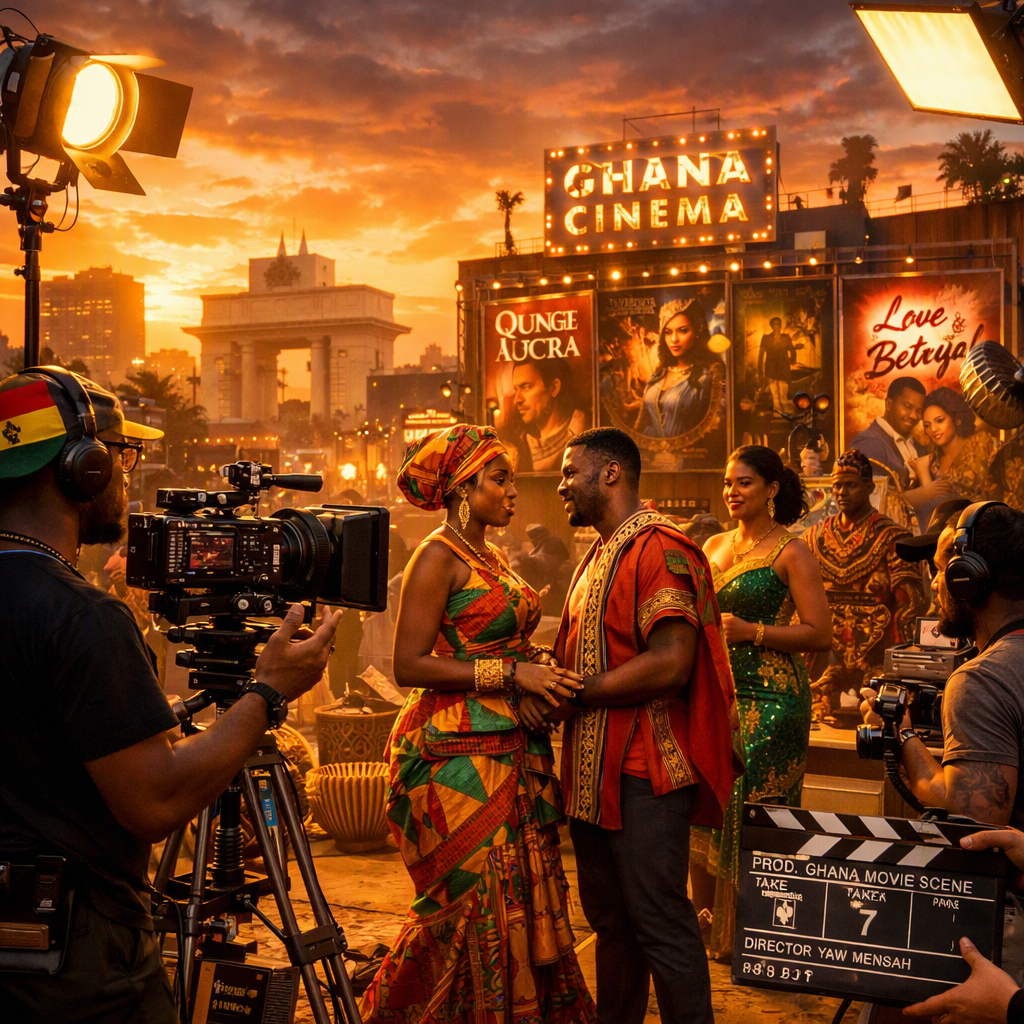
Ghana’s movie industry has grown from a small local entertainment sector into an influential part of African cinema. Known for its creativity, cultural storytelling, and passionate filmmakers, the industry continues to attract audiences across Africa and beyond. Over the years, Ghanaian films have evolved in quality, production value, and international recognition, creating new opportunities for actors, producers, directors, and investors.
The rise of digital technology, streaming platforms, and collaborations with international filmmakers has accelerated the growth of the industry. Ghanaian cinema now represents not only entertainment but also culture, business, tourism, and national identity.
The Early Development of Ghanaian Cinema
The history of filmmaking in Ghana dates back to the colonial era when foreign filmmakers produced educational and documentary films for local audiences. After independence in 1957, the government recognized the importance of film as a cultural and educational tool. The Ghana Film Industry Corporation was established to support local film production and encourage Ghanaian storytelling.
During the early decades, many films focused on social issues, traditional values, and national development. Productions were limited by technology and funding, but local filmmakers remained committed to building a national cinema industry.
By the 1980s and 1990s, video technology became more accessible, allowing filmmakers to produce movies at lower costs. This period marked the beginning of a larger commercial movie culture in Ghana.
The Rise of Ghallywood
The term “Ghallywood” became popular as Ghana’s film industry expanded and gained regional recognition. Inspired partly by the success of Nollywood in Nigeria, Ghanaian producers began releasing more locally produced films featuring dramatic storytelling, comedy, romance, and family themes.
Actors such as Jackie Appiah, Majid Michel, Van Vicker, Nadia Buari, and John Dumelo became well-known across Africa. Their popularity helped Ghanaian movies reach wider audiences through television channels, DVDs, and online platforms.
Many Ghanaian films gained success because they reflected relatable African experiences. Stories about family relationships, ambition, tradition, religion, and urban life connected strongly with viewers.
Digital Technology and Industry Expansion
Digital filmmaking has transformed the movie industry in Ghana. Modern cameras, editing software, and online distribution channels have lowered production costs and made filmmaking more accessible to young creators.
Streaming services and social media platforms have created new ways for filmmakers to distribute content and promote their work. Audiences no longer rely only on cinemas or physical DVDs to watch Ghanaian films. Online platforms now allow local productions to reach viewers in Europe, North America, and other African countries.
The growth of digital media has also encouraged independent filmmaking. Young directors and producers are experimenting with new storytelling styles, genres, and cinematic techniques. This creative freedom has improved the diversity and quality of Ghanaian cinema.
The Role of Culture and Storytelling
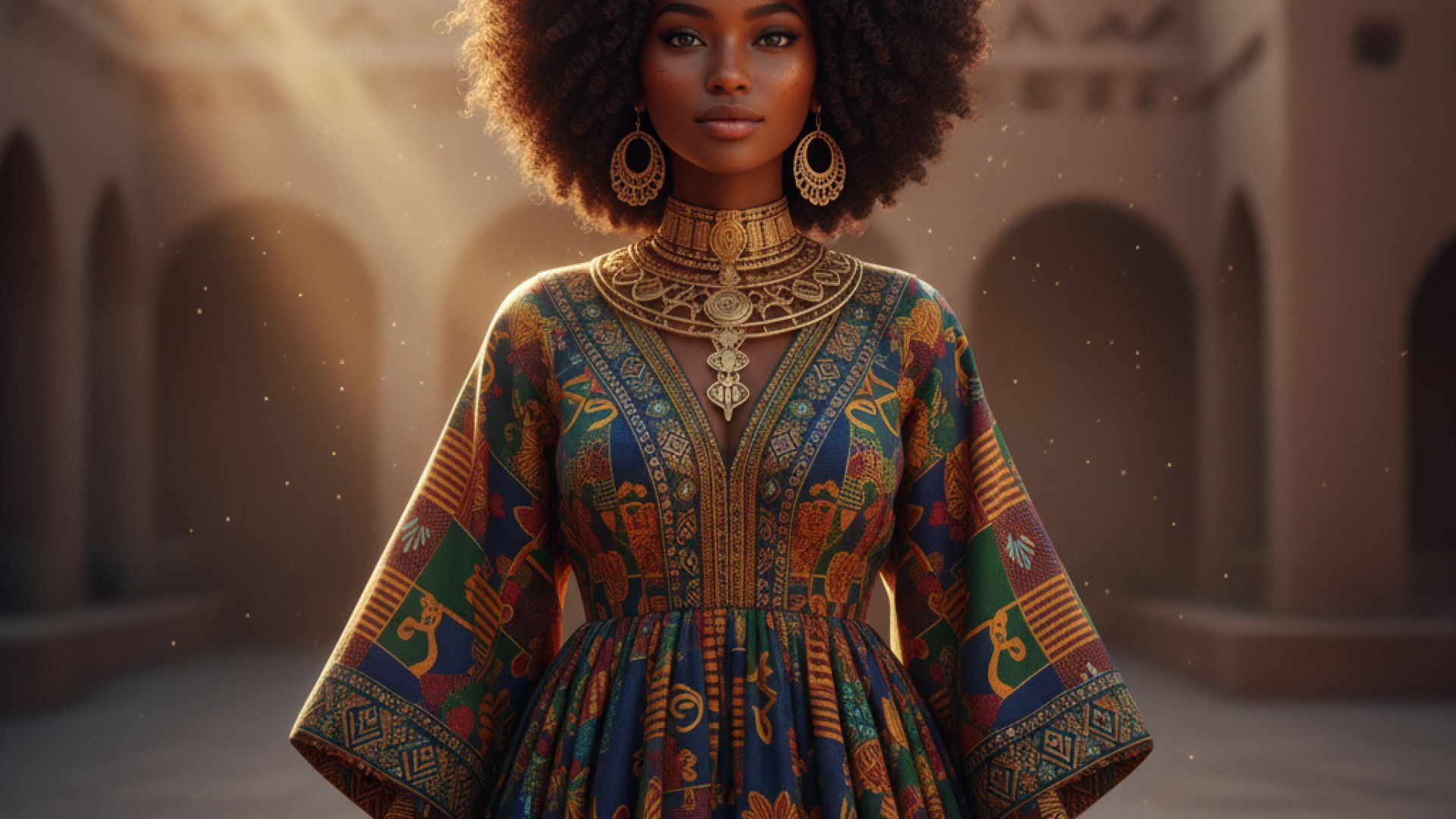
One of the greatest strengths of Ghana’s movie industry is its cultural richness. Ghanaian films often incorporate local languages, music, fashion, traditions, and social values. These cultural elements help preserve national identity while introducing global audiences to Ghanaian life.
Storytelling remains central to the industry’s success. Filmmakers use cinema to address topics such as migration, corruption, gender equality, education, love, and generational change. By balancing entertainment with meaningful themes, Ghanaian movies continue to resonate with viewers.
Traditional storytelling methods also influence modern filmmaking in Ghana. Oral history, folklore, and community narratives inspire many scripts and performances.
Challenges Facing the Ghanaian Film Industry
Despite its progress, the movie industry in Ghana still faces several challenges. Limited funding remains one of the biggest obstacles for filmmakers. Many producers struggle to secure investment for high-quality productions, marketing, and distribution.
Piracy is another major concern. Illegal copying and online distribution reduce profits for filmmakers and discourage investment in the industry.
The country also faces infrastructure limitations, including a shortage of modern cinemas and professional production facilities. While digital technology has improved access to filmmaking tools, some productions still lack the resources needed to compete internationally.
Training and professional development are also important issues. Many young filmmakers require more opportunities to develop technical and creative skills in directing, cinematography, editing, and scriptwriting.
International Recognition and Collaborations
Ghanaian filmmakers are increasingly gaining international recognition. Films from Ghana are now featured at film festivals around the world, helping promote African storytelling on a global stage.
Collaborations between Ghanaian and international producers have also increased. Joint productions with filmmakers from Nigeria, Europe, and the United States have expanded the industry’s reach and improved production quality.
International attention has created new opportunities for actors, directors, and technical professionals from Ghana. It has also encouraged investment in local content production.
The Economic Impact of the Industry
The growth of Ghana’s movie industry contributes to the national economy in several ways. Film production creates jobs for actors, writers, costume designers, editors, camera operators, makeup artists, and many other professionals.
The industry also supports tourism by showcasing Ghanaian cities, landscapes, culture, and historical sites. International audiences who watch Ghanaian films often become interested in visiting the country.
Entertainment businesses such as cinemas, streaming companies, advertising agencies, and event organizers also benefit from the expansion of local filmmaking.
The Future of Ghanaian Cinema
The future of Ghana’s movie industry appears promising. Younger filmmakers are bringing fresh ideas, modern production techniques, and global perspectives to local storytelling. As internet access and streaming services continue to expand, Ghanaian films are expected to reach even larger audiences.
Government support, private investment, and improved training programs could further strengthen the industry. Better infrastructure and stronger copyright protection would also help filmmakers produce higher-quality content and earn sustainable profits.
The continued growth of film festivals, acting schools, and production studios is likely to encourage innovation and professional development within the sector.
Conclusion
Ghana’s movie industry has experienced significant growth over the past decades. From its early beginnings to the rise of Ghallywood and the influence of digital media, the industry has become an important part of African entertainment and culture.
Although challenges such as funding and piracy remain, Ghanaian filmmakers continue to demonstrate creativity, resilience, and ambition. With increasing international recognition and growing local talent, Ghana’s film industry is well-positioned to become an even stronger force in global cinema.