

Introduction
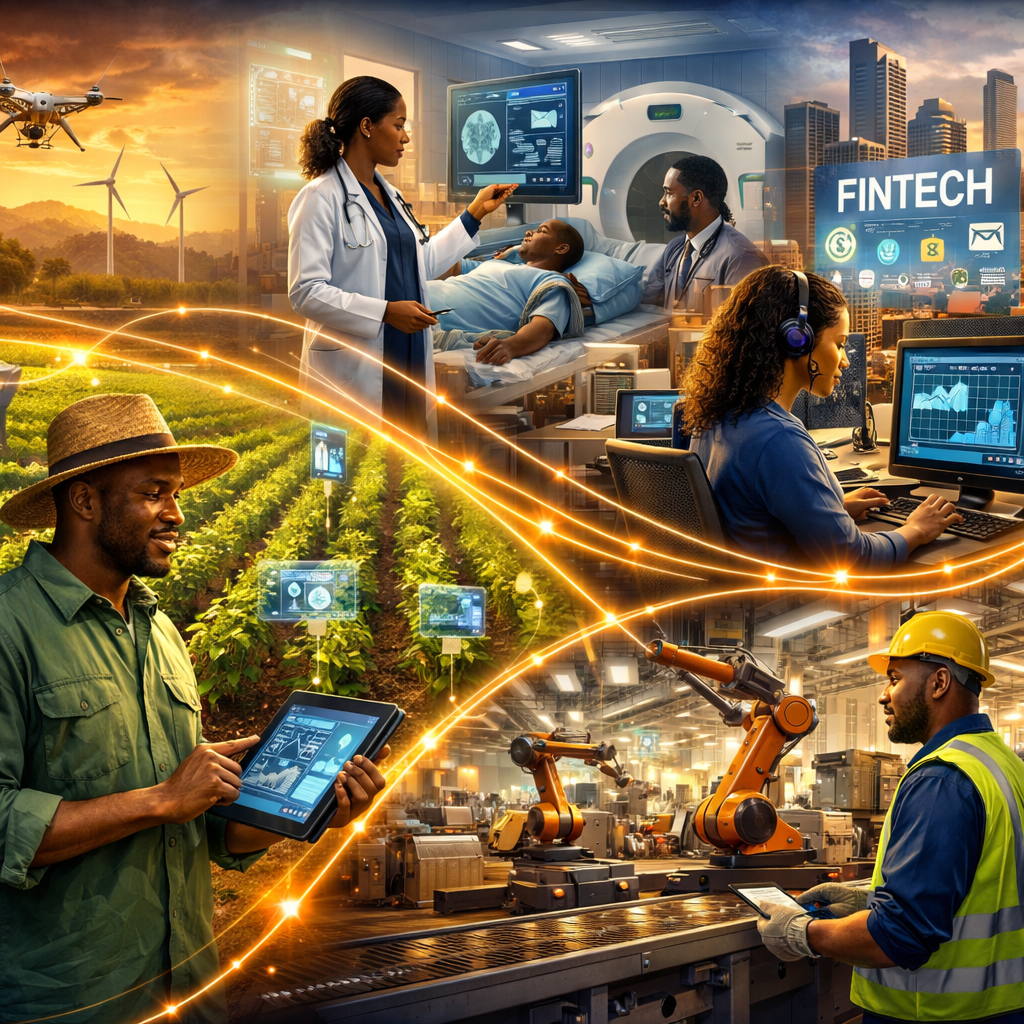
Across Africa, intelligent and data-driven technologies are increasingly shaping how industries operate, compete, and serve communities. From agriculture and healthcare to finance and manufacturing, these technologies are helping organizations make better decisions, reduce costs, and unlock new opportunities. As digital infrastructure expands and local innovation grows, Africa is positioning itself as an active participant in the global technology economy.
Agriculture and Food Security
Agriculture remains a cornerstone of many African economies. Intelligent technologies are supporting farmers through advanced weather analysis, crop health monitoring, and yield prediction. By analyzing large volumes of environmental and market data, farmers can make informed decisions about planting, irrigation, and harvesting.
These tools also support food security by reducing waste and improving supply chain efficiency. Smallholder farmers benefit from mobile-based advisory systems that provide timely insights, helping them increase productivity and income.
Healthcare and Public Health
Healthcare systems across Africa face challenges such as limited resources and uneven access to medical professionals. Intelligent technologies are improving diagnostics, patient management, and disease surveillance. Data-driven imaging analysis assists clinicians in identifying conditions earlier, while predictive systems help health authorities anticipate outbreaks and allocate resources effectively.
In rural and underserved areas, digital health platforms support remote consultations and triage, improving access to quality care without requiring extensive physical infrastructure.
Financial Services and Inclusion
Africa has become a global leader in mobile financial services. Intelligent risk assessment and fraud detection systems enhance the safety and reliability of digital payments. By analyzing transaction patterns and behavioral data, financial institutions can offer tailored products such as microloans and insurance to previously underserved populations.
This approach strengthens financial inclusion, supports small businesses, and contributes to broader economic resilience.
Manufacturing and Industrial Development
In manufacturing, intelligent automation is improving quality control, predictive maintenance, and supply chain planning. Factories use data-driven systems to monitor equipment performance, reduce downtime, and optimize energy consumption.
These capabilities help local manufacturers remain competitive while creating skilled jobs and supporting industrial growth across the continent.
Transportation and Urban Development
Rapid urbanization has increased pressure on transportation systems. Intelligent traffic management and logistics optimization tools help cities reduce congestion and improve public transport reliability. Freight and delivery companies use advanced routing analysis to cut costs and improve service delivery.
Urban planners also rely on data insights to design safer, more efficient cities that meet the needs of growing populations.
Education and Skills Development
Education systems are adopting intelligent learning platforms that adapt to individual student needs. By analyzing learning patterns, these tools support personalized education, identify knowledge gaps, and help educators improve outcomes.
Workforce training programs also benefit from data-driven insights, ensuring that skills development aligns with evolving industry demands.
Challenges and Opportunities
Despite significant progress, challenges remain. Limited data availability, infrastructure gaps, and regulatory uncertainty can slow adoption. Addressing these issues requires investment in digital skills, reliable connectivity, and supportive policy frameworks.
At the same time, Africa’s young population, entrepreneurial culture, and growing tech ecosystems present immense opportunities for innovation and sustainable growth.
Conclusion
Intelligent, data-driven technologies are becoming essential tools for advancing African industries. By improving efficiency, expanding access, and enabling smarter decision-making, they support inclusive economic development. As adoption continues to grow, these technologies will play a central role in shaping Africa’s industrial and social future.