

The Rise of Artificial Intelligence in Nollywood
Nollywood has grown from a fast-moving local film industry into one of the most influential entertainment sectors in the world. With thousands of films released annually and audiences spread across Africa, Europe, and North America, the industry continues to evolve rapidly. One of the biggest forces driving this change is artificial intelligence.
Artificial intelligence is no longer limited to global studios with massive budgets. Nigerian filmmakers, producers, editors, marketers, and streaming platforms are increasingly using intelligent software tools to improve production quality, reduce costs, and better understand audiences. The impact is changing not only how movies are made, but also how Nollywood culture itself is developing.
How Technology Is Changing Storytelling
Storytelling remains the heart of Nollywood. Traditionally, filmmakers relied heavily on human experience, oral traditions, and cultural narratives passed down through generations. While those elements still matter, modern data-driven systems are now influencing creative decisions.
Streaming platforms and digital distributors collect audience viewing patterns, including watch time, preferred genres, and regional interests. Producers can study these trends to identify what viewers enjoy most. This information helps shape scripts, casting decisions, and even movie endings.
Romance, family drama, comedy, and crime thrillers continue to dominate the Nigerian market, but technology is helping filmmakers refine these genres for different demographics. Younger audiences, especially urban viewers, increasingly prefer faster pacing, cinematic visuals, and globally relatable themes. As a result, Nollywood storytelling is becoming more polished and internationally competitive.
Balancing Culture and Commercial Appeal
One major concern among filmmakers is maintaining Nigerian cultural identity while adapting to global audience expectations. Intelligent content analysis tools may encourage creators to follow trends that generate more engagement, but critics argue that this could reduce originality and weaken local storytelling traditions.
Many directors are responding by blending modern production techniques with authentic Nigerian experiences. Films rooted in Yoruba, Igbo, Hausa, and Pidgin cultures are still attracting strong audiences, especially when presented with higher production quality and stronger editing.
The Impact on Film Production
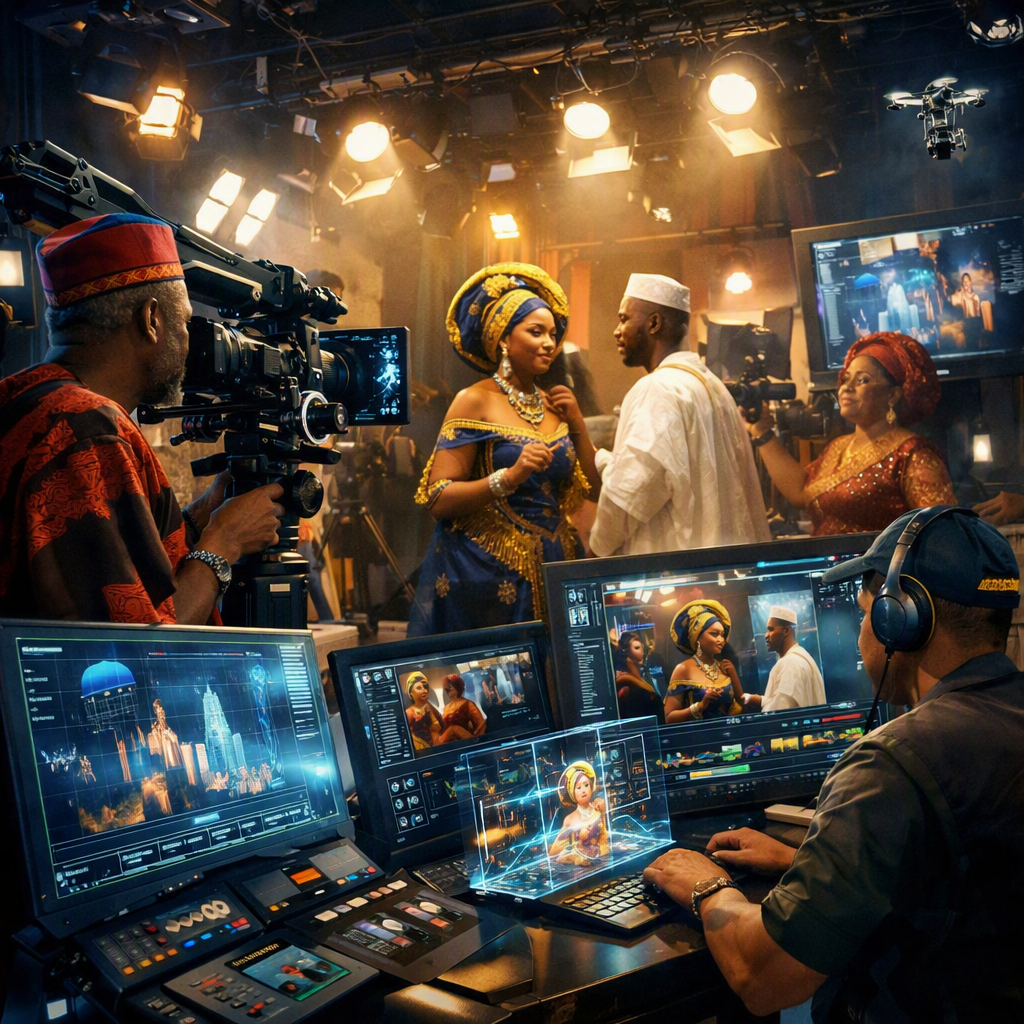
Film production in Nollywood has traditionally faced challenges such as limited budgets, tight schedules, and restricted access to advanced equipment. Intelligent automation tools are helping producers overcome some of these obstacles.
Editing software can now speed up post-production workflows by organizing footage, improving sound quality, adjusting lighting, and suggesting cuts. Subtitling and translation tools are also making Nigerian films more accessible to international audiences.
These innovations are reducing production time and lowering costs for independent filmmakers. Smaller studios now have access to tools that were previously available only to major production companies.
Visual Effects and Digital Enhancement
Visual effects have become increasingly important in Nollywood, particularly in epic dramas, fantasy stories, and action films. Digital enhancement tools help filmmakers create scenes that would otherwise be too expensive to produce.
Historical films can recreate traditional kingdoms and battle scenes more effectively. Science fiction and supernatural stories are also becoming more realistic. This expansion of creative possibilities is pushing Nollywood into genres that previously struggled because of technical limitations.
Changing the Role of Actors and Creators
The rise of automation and digital production tools is also changing the professional environment for actors, writers, editors, and production crews. Some industry professionals fear that automation could reduce job opportunities in certain areas, particularly repetitive editing or administrative tasks.
At the same time, new opportunities are emerging. Content creators with strong digital skills are finding work in visual effects, virtual production, audience analytics, and digital marketing. Actors are also benefiting from advanced audience targeting that helps promote films directly to interested viewers.
Social media has amplified these changes. Online platforms reward visibility, engagement, and consistency, encouraging actors and filmmakers to build stronger personal brands. Nollywood celebrities increasingly use data-driven marketing strategies to connect with fans and expand their international reach.
Streaming Platforms and Audience Behavior
The growth of streaming services has transformed how Nigerians consume entertainment. Audiences no longer depend solely on television broadcasts or physical movie discs. Instead, films are available instantly on mobile phones, smart televisions, and digital platforms.
Recommendation systems now shape viewer behavior by suggesting movies based on previous choices. This has increased exposure for Nollywood productions and helped smaller films reach niche audiences.
Streaming services also influence production standards. Because viewers can easily compare Nigerian films with international content, there is growing pressure to improve cinematography, sound design, acting quality, and script structure.
The Global Expansion of Nollywood
Nollywood is gaining stronger recognition across global markets. Better subtitling, audience analysis, and digital promotion are helping Nigerian films cross cultural and language barriers more effectively.
International viewers are becoming more interested in African storytelling, fashion, music, and social themes. This growing demand is encouraging filmmakers to create content that appeals to both local and global audiences without losing cultural authenticity.
The success of several Nigerian productions on major streaming platforms demonstrates how technology can elevate local stories to international prominence.
Ethical and Cultural Concerns
Despite the advantages, the rapid adoption of intelligent technologies raises important ethical questions. Concerns about copyright, originality, misinformation, and creative ownership continue to grow within the entertainment industry.
There is also debate about whether technology-driven storytelling could eventually prioritize algorithms over artistic expression. Some filmmakers worry that relying too heavily on audience data may lead to repetitive narratives designed mainly for commercial success.
Another challenge involves cultural representation. Nollywood plays an important role in preserving Nigerian traditions, languages, and values. Industry leaders must ensure that modernization does not erase the cultural richness that made the industry unique in the first place.
The Future of Nollywood Culture
Nollywood is entering a new era shaped by digital innovation, global visibility, and evolving audience expectations. Intelligent technologies are improving production quality, expanding distribution, and creating new creative opportunities across the industry.
However, the future of Nollywood will depend on balance. Filmmakers must continue embracing innovation while protecting the cultural authenticity that defines Nigerian cinema. Audiences still value stories that reflect real social experiences, family structures, humor, spirituality, and everyday life.
As the industry continues to evolve, technology will likely become an even stronger force in shaping how films are produced, marketed, and consumed. Nollywood's ability to adapt while preserving its cultural identity may determine its long-term influence in global entertainment.