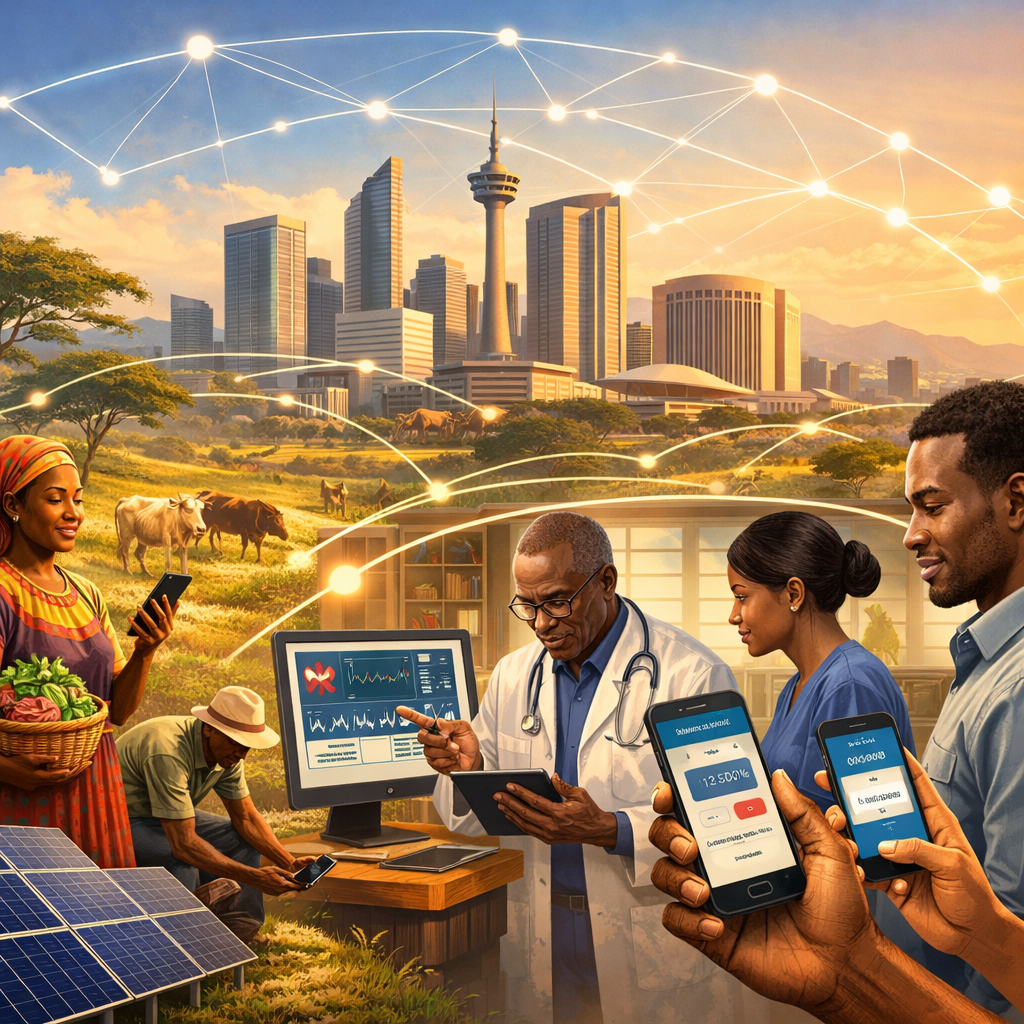


Africa faces a unique mix of opportunities and challenges shaped by rapid population growth, uneven infrastructure, and diverse economic conditions. In recent years, advanced digital technologies have emerged as powerful tools for tackling long-standing issues in practical, scalable ways. When applied thoughtfully, these solutions can support inclusive growth and improve everyday life across the continent.
Understanding Africa’s Core Challenges
Many African countries contend with limited access to quality healthcare, food insecurity, financial exclusion, energy shortages, and gaps in education. These issues are often intensified by data scarcity, fragmented markets, and rural populations that are difficult to reach using traditional systems.
Transforming Agriculture and Food Security
Agriculture employs a large share of Africa’s workforce, yet productivity remains low in many regions. Intelligent data-driven tools help farmers make better decisions by analyzing weather patterns, soil conditions, and crop health.
- Early warning systems for droughts and pests
- Mobile-based advisory services for smallholder farmers
- Yield prediction to reduce waste and stabilize food supply
These approaches support higher incomes for farmers while strengthening national food security.
Improving Access to Healthcare
Healthcare systems across the continent often struggle with staff shortages and limited diagnostic resources. Automated analysis tools can assist medical professionals by identifying patterns in medical data and prioritizing urgent cases.
- Remote diagnostics for rural communities
- Disease outbreak detection using population data
- Optimized supply chains for medicines and equipment
The result is more efficient care delivery and earlier intervention, especially in underserved areas.
Expanding Financial Inclusion
Millions of Africans remain outside the formal banking system. Intelligent risk assessment and fraud detection tools enable financial services to reach new users safely.
- Alternative credit scoring for small businesses
- Secure mobile payment monitoring
- Personalized financial products for low-income users
This supports entrepreneurship, resilience, and economic participation.
Strengthening Education and Skills Development
Education systems face overcrowded classrooms and limited resources. Adaptive learning platforms help tailor content to individual learners, improving outcomes even where teacher capacity is stretched.
- Personalized learning paths for students
- Automated assessment and feedback
- Skills matching aligned with local job markets
Optimizing Energy and Infrastructure
Reliable energy access remains a barrier to development. Predictive tools can improve grid management and support renewable energy deployment.
- Demand forecasting to reduce outages
- Maintenance prediction for critical infrastructure
- Smart management of off-grid solar systems
Key Principles for Sustainable Impact
For these solutions to deliver lasting value, they must be built with local context in mind.
- Affordability: Designed for low-cost devices and connectivity
- Local data: Trained and refined using regional information
- Ethical use: Protecting privacy and avoiding bias
- Capacity building: Empowering local talent and institutions
The Road Ahead
As digital infrastructure improves and local innovation ecosystems grow, intelligent technologies will play an increasingly important role in Africa’s development. The greatest impact will come from solutions that are practical, inclusive, and developed in close collaboration with the communities they serve.