

Introduction
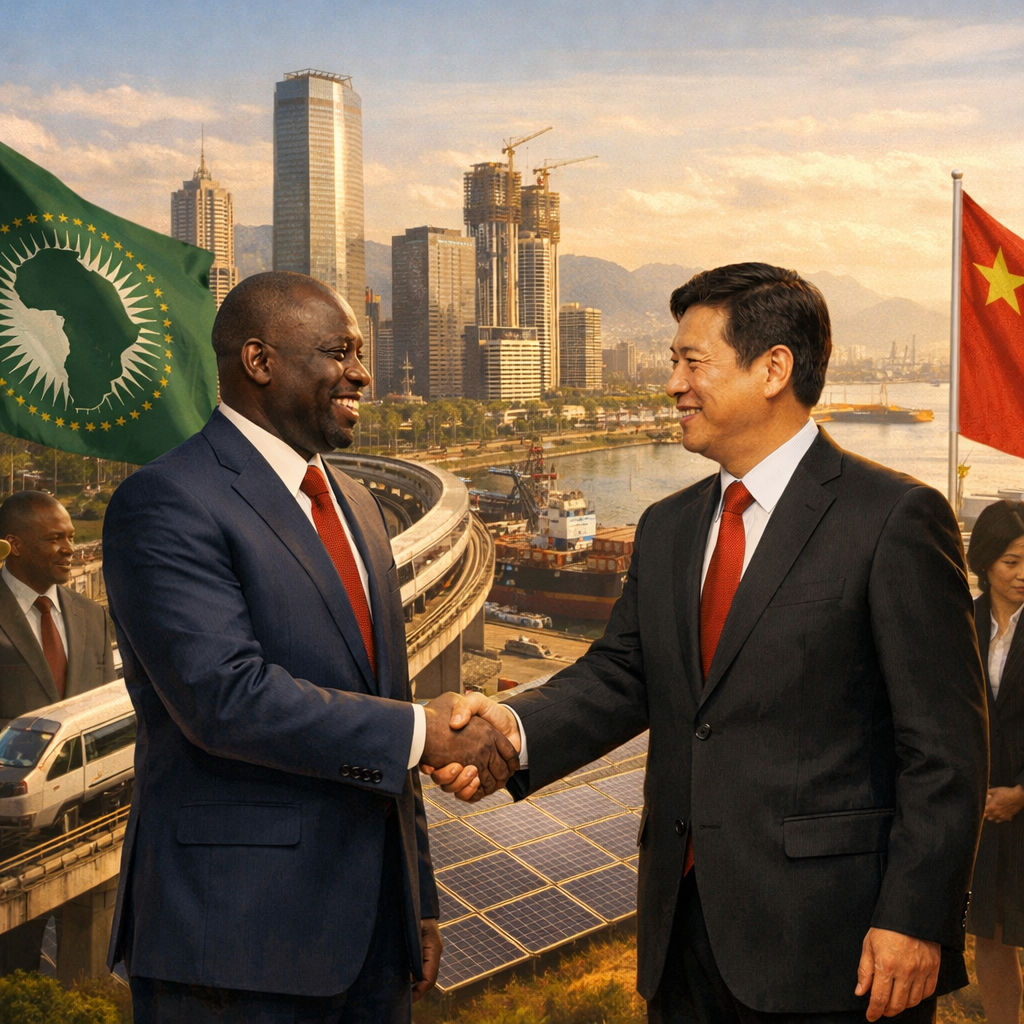
The relationship between Africa and China has become one of the most significant economic partnerships of the 21st century. Driven by large-scale investments, trade agreements, and infrastructure projects, China’s involvement has played a visible role in shaping development across many African nations. Understanding this relationship is essential to assessing Africa’s economic transformation, as well as the opportunities and risks that come with foreign investment.
The Evolution of Africa–China Economic Ties
China’s engagement with Africa has evolved from limited trade exchanges to a comprehensive investment partnership. Early cooperation focused on diplomatic solidarity and basic trade, but over the past two decades, Chinese investment has expanded rapidly. Today, China is among Africa’s largest trading partners and a major source of foreign direct investment, particularly in developing economies seeking capital and technical expertise.
Key Investment Sectors
Infrastructure Development
Infrastructure remains the cornerstone of Chinese investment in Africa. Projects such as roads, railways, ports, and power plants have addressed long-standing infrastructure gaps. Improved transportation and energy access have helped reduce business costs and improve regional connectivity, which is critical for economic growth.
Natural Resources and Energy
China’s demand for raw materials has driven significant investment in mining, oil, gas, and renewable energy. African countries benefit from increased production capacity and export revenues, while China secures long-term resource supply. In recent years, there has been a gradual shift toward cleaner energy projects, including solar and hydropower.
Manufacturing and Industrial Parks
Chinese-backed industrial zones and manufacturing facilities are contributing to Africa’s industrialization goals. These investments aim to create jobs, transfer skills, and diversify economies beyond raw material exports. Countries such as Ethiopia and Nigeria have used industrial parks to attract export-oriented manufacturing.
Agriculture and Food Security
Agriculture has also attracted Chinese investment, particularly in farming technology, irrigation, and agro-processing. These initiatives support food security and improve productivity, although they require careful regulation to ensure benefits for local communities.
Benefits for African Development
Chinese investment has provided African nations with access to capital, infrastructure, and technical expertise that may not have been readily available elsewhere. Key benefits include:
- Faster infrastructure development
- Job creation and skills training
- Improved trade capacity and logistics
- Support for industrialization and economic diversification
For many countries, these investments have accelerated development timelines and improved access to regional and global markets.
Challenges and Criticisms
Despite its benefits, the Africa–China investment relationship faces several challenges. Debt sustainability is a major concern, as some infrastructure projects are financed through loans that strain public finances. There are also debates around transparency, local labor participation, and environmental standards.
Additionally, critics argue that reliance on foreign investment can limit the growth of domestic industries if not managed strategically. Addressing these concerns requires stronger governance, clear regulatory frameworks, and active negotiation by African governments.
The Future of Africa–China Investment
The future of Africa–China investment relations is likely to become more diversified and balanced. There is growing emphasis on technology transfer, digital infrastructure, renewable energy, and private-sector partnerships. African countries are also becoming more selective, prioritizing projects that align with national development plans.
As Africa continues its economic transformation, the partnership with China will remain influential. Its long-term success will depend on mutual benefit, transparency, and sustainable development practices that support inclusive growth.
Conclusion
Africa’s development and its investment relationship with China represent a complex but powerful dynamic. While challenges remain, Chinese investment has undeniably contributed to infrastructure growth, industrial development, and economic expansion. With careful management and strategic planning, this partnership can continue to support Africa’s long-term development goals.